
Round 6 of Dorset Council's revenue fund offers museums, theatres and arts groups £5,000 to £50,000 a year to March 2030. 28 organisations hold the current awards; they all run out in March 2027.
Dorset’s museums, theatres and arts organisations have until midday on Monday 5 October 2026 to bid for a share of £486,000 a year in core funding from Dorset Council. Awards run for three years, to March 2030, and are worth £5,000 to £50,000 a year each.
The council announced Round 6 of its Cultural Organisational Support Revenue Fund on 20 August. Applications have in fact been open since 3 August. The fund’s own page carries the detail the press release leaves out, including who cannot apply and what the money will not pay for.
Why this round matters more than usual
This is not new money on top of what Dorset’s cultural sector already gets. It is the replacement for it.
The council’s current list of awards shows 28 organisations sharing £485,947 a year from April 2024 to March 2027. Every one of those agreements ends next spring. Any organisation on the list that wants funding to continue has to win it again in this round, against anyone new who applies.
The largest current awards are:
- Dorset County Museum, Dorchester: £50,000
- Museum of East Dorset, Wimborne: £45,000
- Artsreach (county wide): £41,947
- Bridport Museum Trust: £40,000
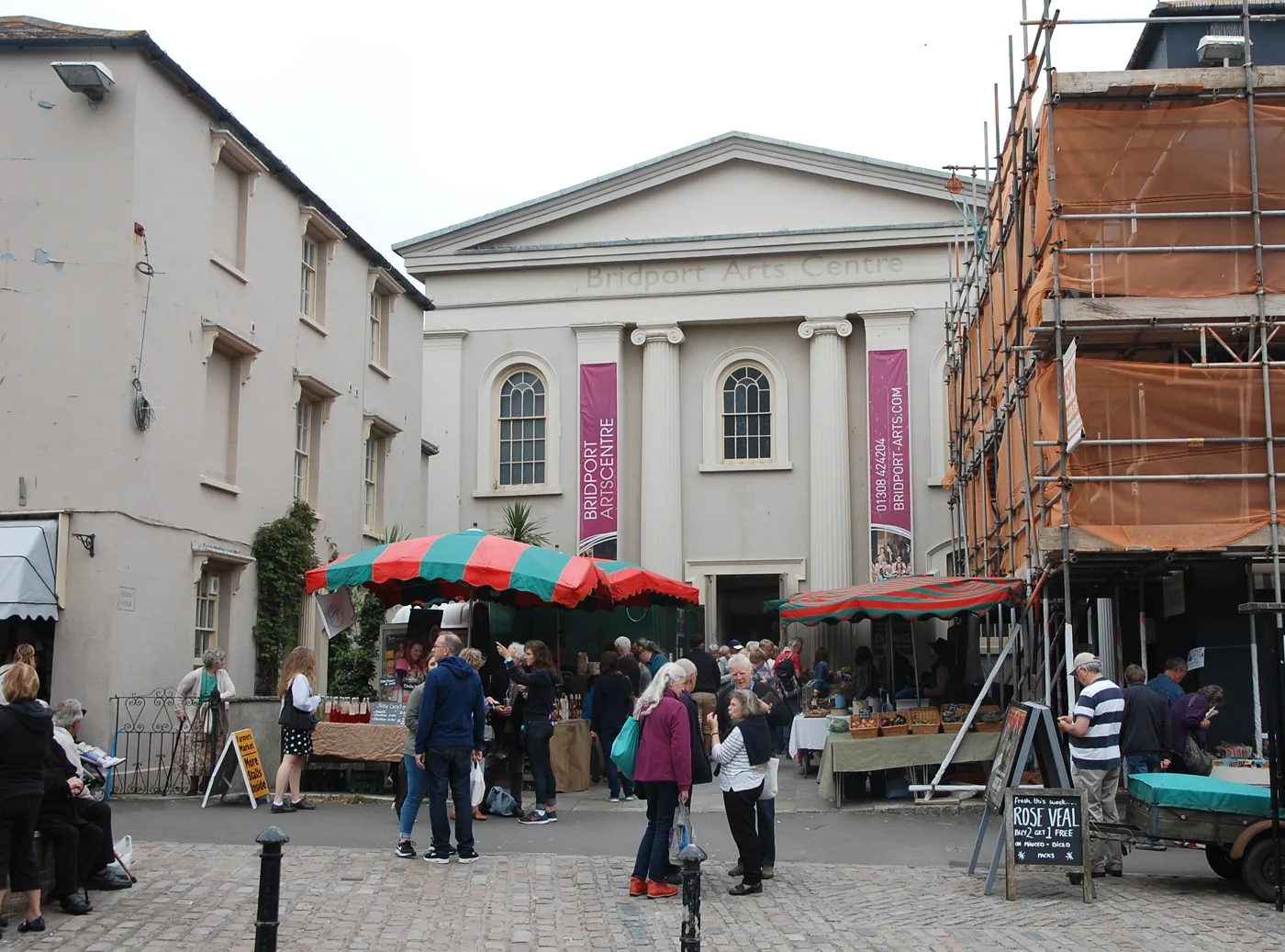
- Activate Performing Arts, Bridport Arts Centre and Lyric Theatre, and Nothe Fort: £25,000 each
At the other end, fourteen organisations receive £5,000 or £10,000 a year, among them Sherborne Museum, Swanage Museum, Shaftesbury Arts Centre, Walford Mill and the Charmouth Heritage Coast Centre.
The council’s page adds a warning for applicants: “Due to anticipated high demand, successful applicants may be awarded less than the amount requested.”
What is on offer
The fund page sets out the budget and the terms:
- £486,000 a year for three years, paid annually under a service level agreement ending March 2030
- £271,000 a year for accredited museums and £215,000 a year for arts organisations
- non-accredited heritage organisations may apply, but the council says the funding available to them “will be limited”
- grants of £5,000 to £50,000 a year, for up to 36 months
- money is for core revenue costs: rent, rates, utilities, salaries, insurance, training and volunteer expenses
The press release says the money “has been made available through central government support”.
Who can apply, and who cannot
Applicants must be constituted not-for-profit cultural organisations that have operated in the Dorset Council area for at least 18 months, have a turnover of £2 million or less, and can show security of tenure for at least five years. They must meet the “Vibrant Places” priority in Dorset’s Cultural Strategy and one of healthy communities, economic development or environmental action.
The exclusion list is long. The council will not fund:
- voluntary and community organisations such as village halls, community centres, youth clubs and food banks
- sports clubs, scouts and other uniformed groups
- schools, nurseries, colleges and universities, or activity delivered in curriculum time
- capital projects, one-off projects, equipment, feasibility studies or building repairs
- groups less than 12 months old, or any organisation with income above £2 million
- activity taking place outside the Dorset Council area, or core costs of organisations based in Bournemouth, Christchurch and Poole
The council also asks that applications are not written by AI. “We encourage applicants to write in their own voice,” the guidance says.
Key dates
- 3 August 2026: applications opened
- Wednesday 9 September, 11am to 12 noon: free online briefing and Q&A with the council’s culture team, booked through Eventbrite from the fund page
- Midday, Monday 5 October 2026: applications close
- Week of 30 November 2026: grant panel meets
- 31 December 2026: award decisions
- January 2027: results published (the council’s page prints this date as 11 January 2026, which has already passed; it can only mean 2027)
- April 2027: new three-year agreements expected to start, as the current ones end
What it means for you
If you run a museum, theatre, gallery or arts group in the Dorset Council area: this is the only core-costs money the council offers your sector, and it will not come round again until 2029 at the earliest. The briefing on 9 September is the place to ask about accreditation, tenure and the £2 million ceiling before the form goes in.
If you run a village hall, community group or sports club: you cannot apply to this round. The council’s funding page lists the alternatives, including Round 11 of the Community and Culture Project Fund and the Capital Leverage Fund, which is open until 10 January 2027.
If you use these places: the list of who wins, and who loses, is due in January. A museum or theatre that drops off it loses up to £50,000 a year from April 2027, which for the smaller ones is a large share of what keeps the doors open.
Which organisations apply is not published. The results are, and we will report them when they appear.
Have your say