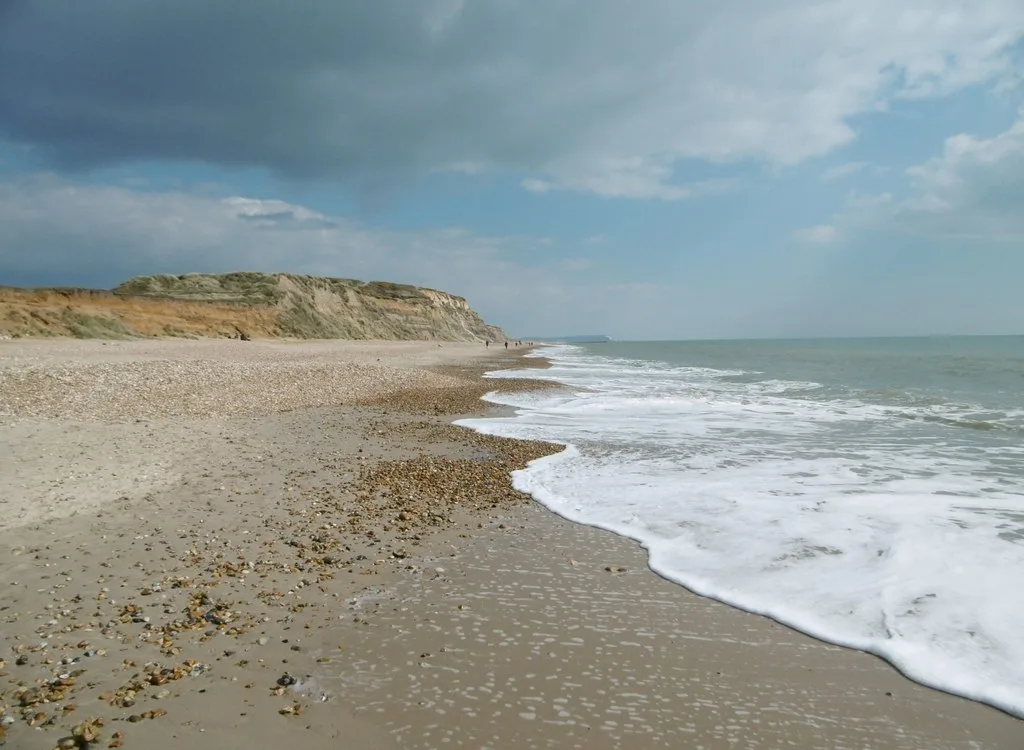

Hengistbury Head's winter parking is £2.70 for 2 hours and the land train is off until April. The walk to Mudeford Spit, the Double Dykes, dogs and the ferry.
Hengistbury Head is in its winter season: the land train has stopped until April, but car parking has dropped to £2.70 for two hours or £5.30 for 24 hours until 14 March. The reserve itself stays open, so this is a good time for the walk if you do not mind doing all of it on foot.
The headland sits between Southbourne and Mudeford, south of Christchurch Harbour, and BCP Council describes it as a stone and iron age archaeology site and one of its most important nature reserves. We checked everything below on the council’s pages and the visitor centre’s site on 5 November 2026.
Parking
The Hengistbury Head car park is at BH6 4EN, next to the Hiker Café, with 704 spaces, 17 disabled spaces and a 2.1 metre height limit. Charges apply 24 hours a day, every day. You pay by card, phone or the RingGo app, and the gates are locked from 10pm to 5am.
| Stay | 1 November to 14 March | 15 March to 31 October |
|---|---|---|
| 1 hour | Not offered | £3.20 |
| 2 hours | £2.70 | £6.40 |
| 3 hours | Not offered | £7.80 |
| 4 hours | Not offered | £9.60 |
| 6 hours | Not offered | £14.30 |
| 24 hours | £5.30 | £23.60 |
| 7 days | Not offered | £51.80 |
Without the train, we would pay for the 24-hour ticket in winter if you plan to walk out to the spit and back, as two hours could run short with a stop. For sat navs, the visitor centre recommends BH6 4EW.
The land train
The land train runs between the Hiker Café at Broadway and Mudeford Spit from April to October, weather permitting, usually daily from 10am. It has no fixed timetable and runs continuously through the day. The council says it usually runs from 1 April, subject to change.
The fares listed for this season are £4.95 for a single, or £16 for a group of four, with under-2s free, and they may change by April. It is card only, and you pay the guard on board. You can board only at the two ends. The carriages have ramps for wheelchairs, and a pre-booked Land Rover carries heavier luggage.
The walk
There are two main routes, and they combine well into a loop.
The flat route. From the car park, a tarmac path takes you to the visitor centre in about five minutes. From there, the flat harbourside path takes you around to Mudeford Spit. The council’s site says the firm footpaths now run across the reserve from Mudeford Spit to Wick village.
The high route. Head up Warren Hill for the views. The council says you can see across the Bournemouth area to the Purbecks and the Isle of Wight. This is the hardest part of the reserve to reach, but the top is possible for wheelchair users with helpers if you go up from the woodland. Ask a ranger for directions.
A good loop is out along the harbour to the spit, then back over the hill. The clifftop can be exposed in wind, so wear a proper coat in winter.
What to look for
The Double Dykes. Near the start of the headland, these are two parallel earthworks, each a bank and ditch, which cut the headland off from the mainland. The Dorset Historic Environment Record says they are believed to be Iron Age and possibly hillfort defences, though it hedges that date. They are part of a scheduled monument, so stay on the paths.
Wildlife. The council’s page lists over 500 plant species and 300 types of bird. Natterjack toads, England’s rarest amphibian, were reintroduced in 1989. You can hear them calling at dusk in May, not in winter. You may also see cattle, which graze the grassy areas.
The beach huts. The huts at Mudeford Spit are tied up with the train’s history. It began in April 1968 as a way to protect the headland, and locals protested at the restriction of road access for hut users.
The visitor centre and toilets
The visitor centre is open from 10.30am to 4pm daily, except Christmas Day, and until 5pm in summer. It has displays of finds, and staff can tell you about the free nature trails and what you may see that day. You can order a hot drink in the wildlife garden behind it, and the toilets there include a disabled toilet that needs no RADAR key.
The public toilets near the car park are open from 7am to dusk all year.
Dogs
Well-behaved dogs are welcome, and the visitor centre has a dog walking map and trail. Keep your dog under close control near the cattle, and on a short lead on the paths from February to August to protect nesting birds. Only registered assistance dogs can go into the centre, but there are places to tether dogs outside, with water bowls. Our Dorset dog friendly beaches page has the rules for other beaches.
Barbecues are not allowed anywhere on the headland, including on the beaches.
Getting there without a car
Buses stop at Broadway shops, a short walk from the entrance. You can also get off at Tuckton and take the boat that runs via Wick and Christchurch Quay to Mudeford Spit, though check that it is running in winter before you rely on it.
The Mudeford Ferry crosses from Mudeford Quay to the sandbank. Its listing says it runs every day in British Summer Time and at winter weekends, weather permitting, so check on the day. Christchurch town centre is about 1.5 miles from the visitor centre.
Frequently asked questions
Is the Hengistbury Head land train running now? No. It runs from April to October, weather permitting, and does not operate in winter. The council says it usually starts again on 1 April.
How much is parking at Hengistbury Head? From 1 November to 14 March, it is £2.70 for two hours or £5.30 for 24 hours. From 15 March to 31 October, it runs from £3.20 for one hour to £23.60 for 24 hours.
Can you walk from Hengistbury Head to Mudeford Spit? Yes. A firm, flat harbourside path runs from the visitor centre around to the spit. In winter this is the main way to get there from the Hengistbury side.
Are dogs allowed on Hengistbury Head? Yes, well-behaved dogs are welcome. Keep them under close control near the cattle, and on a short lead on the paths from February to August. Only assistance dogs can go into the visitor centre.
What are the Double Dykes at Hengistbury Head? They are two parallel earthworks, each a bank and ditch, that cut the headland off from the mainland. They are believed to be Iron Age and may have been hillfort defences.
Is Hengistbury Head free to visit? The reserve and visitor centre have no entry charge listed by the council, but the car park charges at all hours. The land train is also paid for when it is running.
Have your say