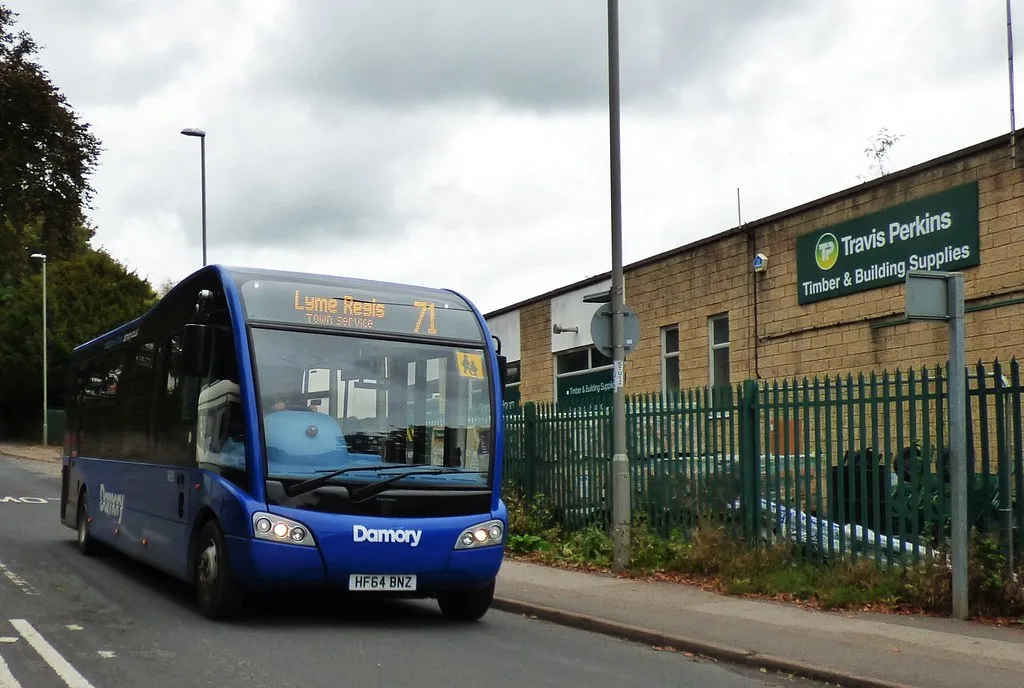

Dorset Council has approved a seven-year bus plan: 700 more journeys a week and Saturday buses on every core route from summer 2027. Routes are not named yet.
Dorset Council’s buses are due for their biggest expansion in years. Cabinet has approved a seven-year transport plan that adds more than 700 bus journeys a week from summer 2027.
Every route on the council’s Core Route network would run on Saturdays. Some areas would see buses twice as often, and new strategic routes would be added. The council announced the decision on 7 October, the day after the Cabinet meeting.
The plan covers the Dorset Council area. Bournemouth, Christchurch and Poole run their own buses through BCP Council and are not part of it.
What the plan includes
The full business case puts the bus network first. From summer 2027 it promises:
- more frequent buses on the busiest Core Route corridors
- Saturday buses across the whole Core Route network
- new strategic bus services where there are big gaps
- better links between buses, trains and community transport
The Core Routes are the council-backed buses between the main towns. The business case names Weymouth, Dorchester, Bridport, Blandford Forum, Sherborne, Shaftesbury, Gillingham and Sturminster Newton. It says many of these routes run roughly every two hours, with little in the evening and nothing on Sundays.
The rest of the plan follows over the next few years:
| What | When the business case expects it |
|---|---|
| Bus contracts re-tendered | Notices January 2027, new contracts from July 2027 |
| New and enhanced community transport services | First half of 2027 |
| Independent travel training, first learners | Second half of 2027/28 |
| First “demand responsive” bus zone for rural areas | 2028/29 |
| More zones and wider NHS transport links | 2029/30 to 2033/34 |
Demand responsive transport means a bus you book, which picks up where regular routes are not viable. The council says it will work with NHS Dorset on getting people to hospital and GP appointments.
Which routes change has not been decided
No route numbers or timetables have been published. The council says more detail on routes, services and delivery “will be published ahead of implementation”.
The routes will be set through the re-tendering of the council’s supported bus contracts. The business case gives the timetable: procurement notices in January 2027, evaluation in spring, and contracts starting from July 2027.
Separate local pilots will come out of “community conversations” being held in 14 areas of Dorset this summer and autumn, according to the business case.
What it costs
The council’s press release calls it a £65m programme. The Cabinet report and its seven-year financial forecast put it at £67.6m over seven years.
That money is not all secured:
- about £9m comes from the council’s existing public transport budget
- about £19.4m is expected from match funding, including government grants, developer contributions and bus revenue
- the remaining £39.3m, about £5.6m a year, is new money
The report says that £39.3m “would need to be considered through future budget-setting processes”. It also says individual parts of the plan remain subject to available funding. In other words, Cabinet has approved the plan, but each year’s spending still has to get through a council budget.
Why the council says it needs to change
The business case sets out how far Dorset’s buses have shrunk:
- the bus network has shrunk 22% since 2019/20, a cut of 1.91 million kilometres
- commercial routes, run by operators without council money, are down 29%
- the council-supported network has grown 43% over the same period to fill gaps
- 6.1 million bus journeys were made in 2024/25, still 20% below pre-pandemic
- 79% of buses ran on time in 2024/25, against a government target of 95%
Surveys on the Core Routes found more than half of passengers have no car. About a third said they could not make their journey without the bus.
The plan is also about money spent on transport that is not a public bus. In 2025/26 the council’s transport team spent £39.1m. Only about 15% of it went on public transport.
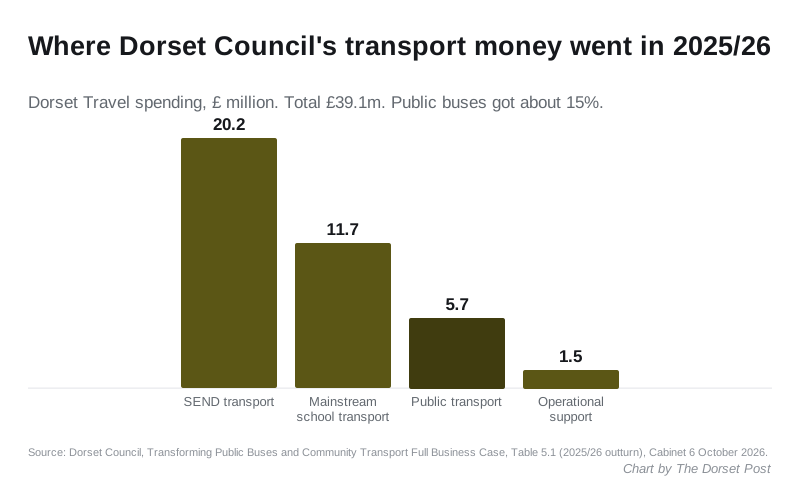
SEND transport, for children with special educational needs, cost £20.2m. The business case says the council ran 1,032 SEND routes in 2025/26, and 362 of them carried a single pupil. The average cost was about £16,000 per pupil.
The council’s aim is to shift some of that spending over time. Where it is safe and suitable, it wants more young people and adults to travel on ordinary buses, with training and support. The business case says specialist transport stays in place for those who need it.
What was said
Cllr Jack Jeanes, Dorset Council’s Cabinet Member for Place Services, said: “Good transport opens doors. It helps people get to work, education, healthcare, shops and social activities, and plays a huge part in tackling isolation and supporting independence.”
Tim Christian, general manager of Dorset Community Transport, said the plan “recognises that community transport has a part to play”. He said the charity looked forward “to taking part as it gets going”.
What it means for you
- Nothing changes yet. Your current buses and timetables carry on. The first changes are due from summer 2027.
- If you rely on a Core Route bus between the market towns, the plan promises Saturday services across the network and more frequent buses on the busiest corridors. Which routes gain most will only be known once contracts are let in 2027.
- If you live where there is no regular bus, the booked “demand responsive” service is planned from 2028/29, starting with one zone.
- If your child gets SEND transport, the business case proposes travel training and personal travel budgets where suitable. It says specialist transport remains available where required.
- The money is not guaranteed. The new spending has to be agreed in each year’s council budget, starting with 2027/28.
We will report the route details when the council publishes them. For roads and rail across the county this week, see our roadworks and travel page.
Sources
- Dorset Council: Dorset Council approves biggest transport transformation in a generation, 7 October 2026.
- Dorset Council Cabinet, 6 October 2026: agenda and papers.
- Cabinet report: Transforming Public Buses and Community Transport Full Business Case.
- Appendix A: Full Business Case, September 2026.
- Appendix E: Financial Case, seven-year forecast.
Have your say