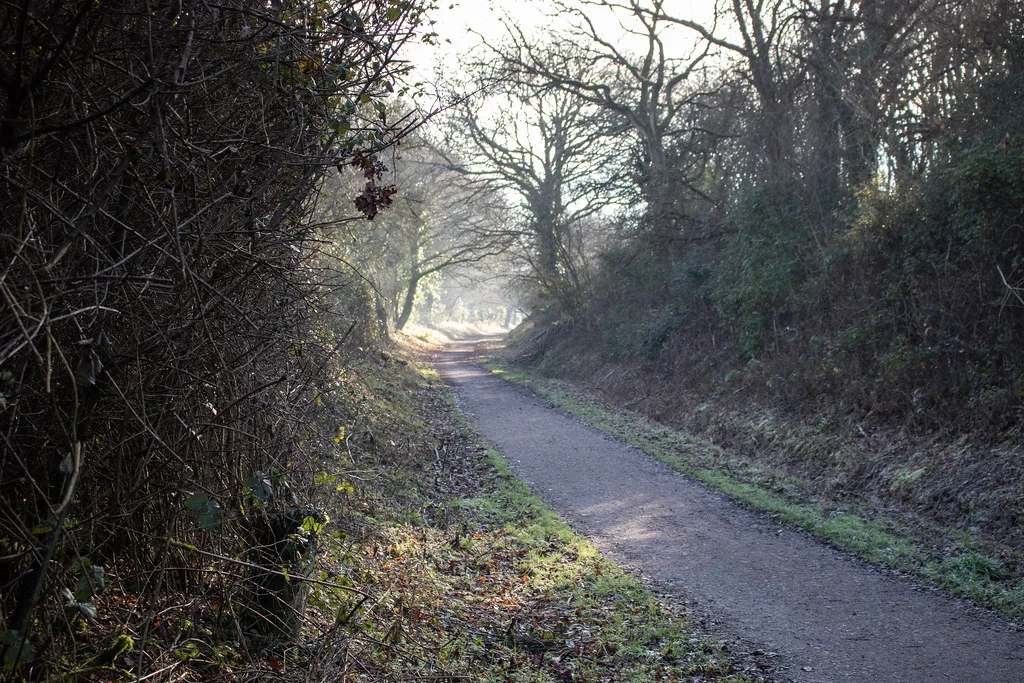

Blocked paths were the most common barrier, named by 70.3% of 507 people. A 10-year footpath plan with £1.09m for year one goes to Cabinet on 8 December.
Blocked or restricted paths are the biggest thing stopping people using Dorset’s footpaths and bridleways. That was the barrier named most often in a public consultation, by 70.3% of those who answered.
The figures are in Dorset Council’s new Rights of Way Improvement Plan 2026 to 2036. The plan sets out how the council will look after the county’s 2,855 miles of public rights of way for the next ten years.
It went to the council’s Place and Resources Overview Committee on Thursday 19 November. The Cabinet forward plan lists it for a decision on Tuesday 8 December.
Overview
- The network: 2,855 miles (4,594 km) of footpaths, bridleways and byways.
- The consultation: 507 responses between 21 July and 12 October 2026.
- Top barrier: blocked or restricted paths, named by 70.3%.
- Easy or hard? 35.9% said the paths were easy to use; 32.3% said difficult.
- Year one money: £1,087,000 across bridges, surfacing and the South West Coast Path.
- Next step: Cabinet decision due on 8 December.
What people told the council
The consultation ran from 21 July to 12 October 2026. Of the 507 responses, 92.7% came from members of the public and 17 from town or parish councils. Half the people who answered use rights of way every day.
The most common barriers they reported were:
- blocked or restricted access to paths: 70.3%
- poor path condition: 62.8%
- poor signs or information: 50.1%
- accessibility barriers, such as stiles: 25.7%
- a lack of local routes: 20.6%
The council’s consultation summary says more than a quarter of respondents did not know how to report a problem on a path.
In the written comments, upkeep came up most: 62 people raised overgrowth, mud, fallen trees, broken infrastructure and signs needing repair. Sixteen said paths were blocked by farmers or landowners, and seven asked for stronger enforcement.
Support for the plan itself was high. In all, 90.7% agreed or strongly agreed with its aim, and each of its ten policies had between 80.9% and 96.3% support.
What the plan would do
The plan sets out ten policies. The ones readers are most likely to notice are:
- maintaining and improving the paths that already exist
- replacing stiles with gaps or gates, and stepped bridges with step-free ones, where possible
- more circular walks, planned with town and parish councils
- extending traffic-free trailways on old railway lines
- clearing the backlog of applications to change the legal map of rights of way, and publishing progress on them
Where the money goes in year one
The plan expects more than £2 million to be spent in its first five years. On top of that, it expects over £300,000 a year from the Local Transport Plan. The first year, 2026/27, lists these priorities:
| Work | Amount |
|---|---|
| South West Coast Path | £517,000 |
| Bridleway bridges | £250,000 |
| Footpath bridges | £180,000 |
| Surfacing | £100,000 |
| Natural England maintenance funding | £40,000 |
| Total | £1,087,000 |
The council says new bridleway bridges are now built from recycled plastic rather than treated timber.
Money from housing developers is part of the funding. In Stalbridge, about four miles north-west of Sturminster Newton, two schemes have secured £134,952 between them for new sections of the North Dorset Trailway. The trailway already runs for about 11 miles on the old Somerset and Dorset railway line, through Sturminster Newton, Shillingstone and Spetisbury.
The cover report says the plan does not commit the council to spending beyond budgets already approved. Delivery depends on future funding, grants and developer money.
What it means for you
- If a path is blocked, overgrown or has a broken stile or bridge, report it on the council’s rights of way problem map. You can also track a problem someone else has reported.
- The council’s rights of way pages carry the map of where you can walk, ride or cycle, and how to volunteer.
- The Cabinet is due to decide on the plan on Tuesday 8 December.
Have your say