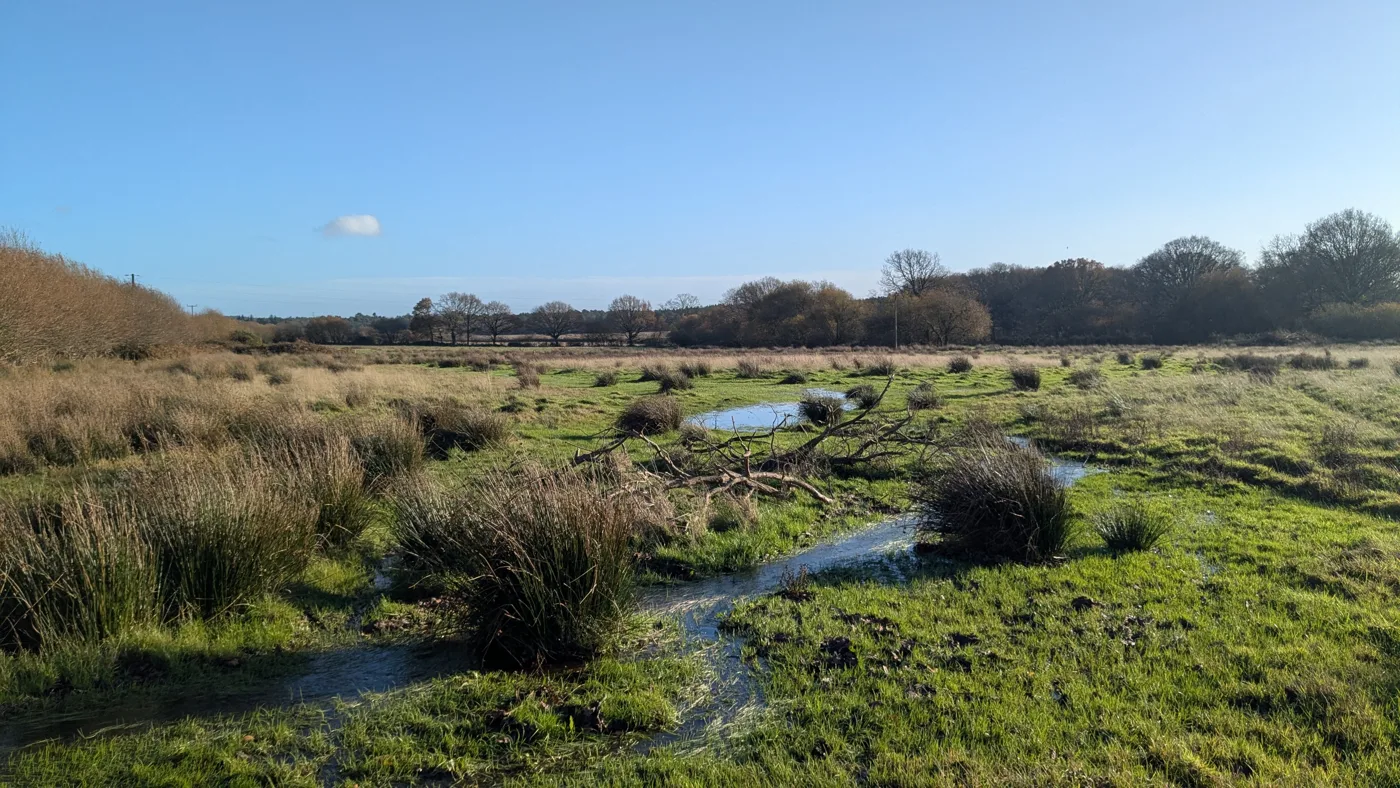

Dorset Wildlife Trust wants £25,000 to take what it learned at Wild Woodbury, where skylarks went from 2 territories to over 55, to more land across Dorset.
Dorset Wildlife Trust has launched an appeal to raise £25,000 so it can take the rewilding methods it has tested at Wild Woodbury and Lyscombe to more of its land across the county. The Help Nature Take the Lead appeal will pay for habitat restoration, natural regeneration, new wetlands, conservation grazing and work with farmers and landowners, to create what the trust calls “bigger, better and more connected spaces for nature across Dorset”.
When we checked the appeal page on the morning of 22 October, it showed £959 raised of the £25,000 goal, from 20 supporters.
Why Wild Woodbury is the model
The trust bought Wild Woodbury in 2021, when, it says, the land was “heavily drained and intensively farmed”. Over five years it has been left to recover across 170 hectares, and the trust describes it now as “a thriving mosaic of wetlands and scrubby grassland”.
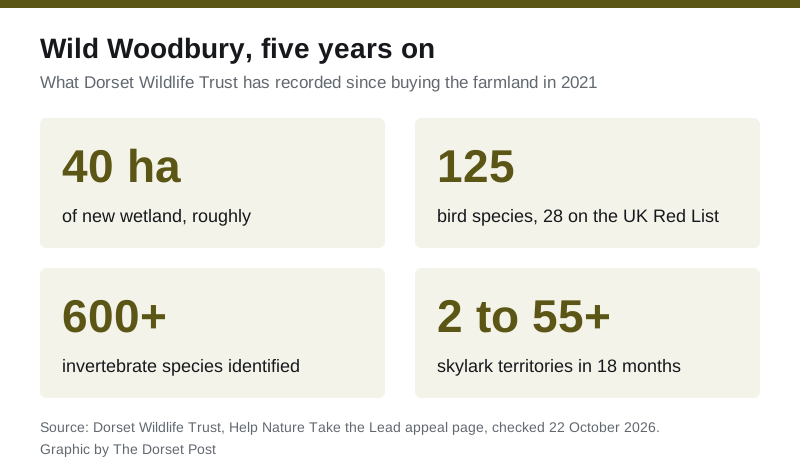
The figures it gives on the appeal page:
- around 40 hectares of new wetland created
- 125 bird species recorded, 28 of them on the UK Red List
- more than 600 species of invertebrate identified
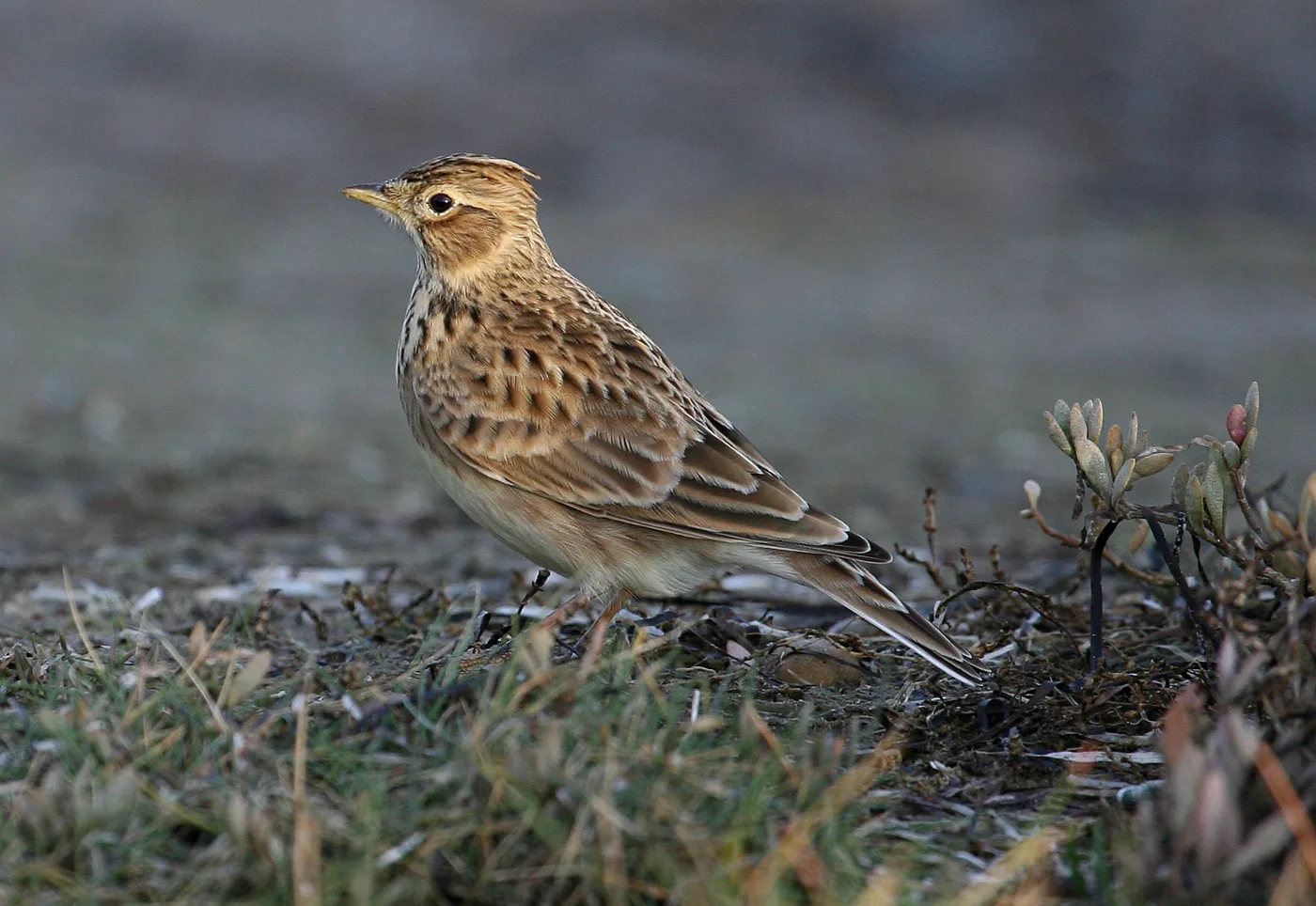
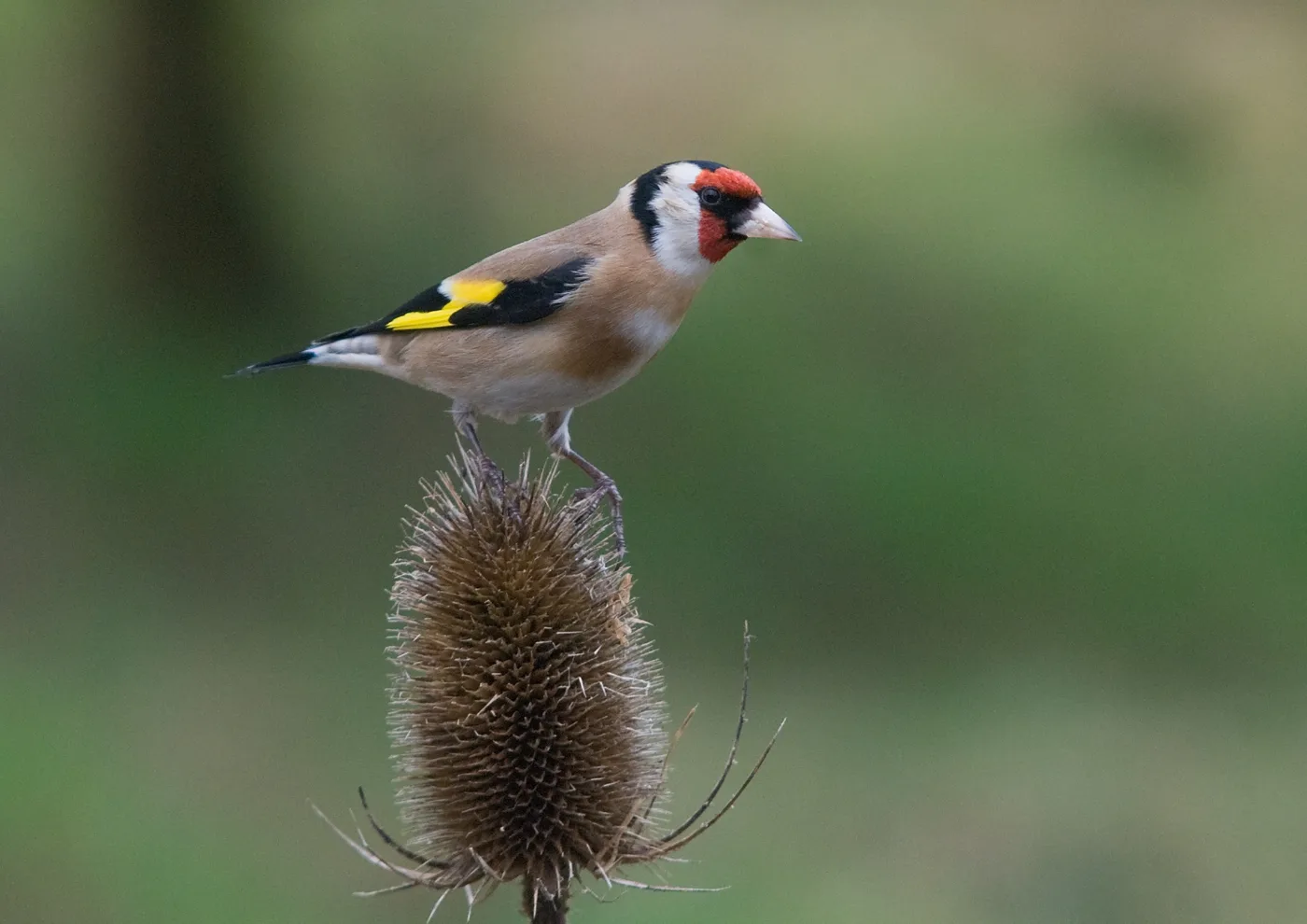
- skylarks up from two territories in 2021 to more than 55 within 18 months
The trust says the evidence gathered there is now helping to shape wider plans for nature recovery in Dorset.
Andrew Pollard, the trust’s conservation director, said:
“The challenges facing wildlife in Dorset have never been greater, but neither has the opportunity to make a difference. At Wild Woodbury, we’ve seen first-hand how nature can recover when conditions are right, with wildlife returning to areas where it had previously been lost.
“What is most exciting is that the lessons we’ve learned can be applied far beyond a single site. We know what can work. We know that restoring and connecting habitats can help wildlife recover, become more resilient and flourish. Now is the time to take that knowledge and put it into action across Dorset.”
The trust has also put out a short film about the appeal:
Lyscombe, the second test ground
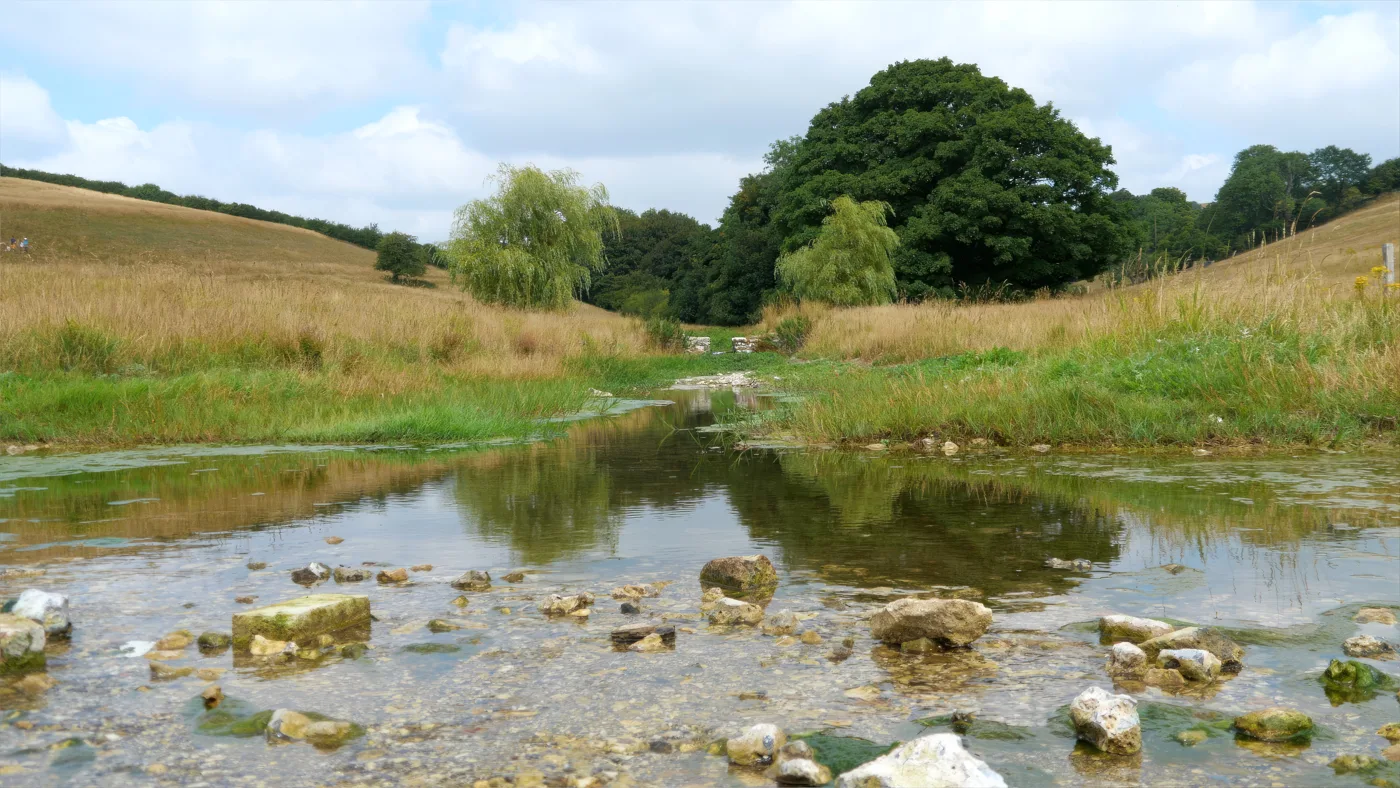
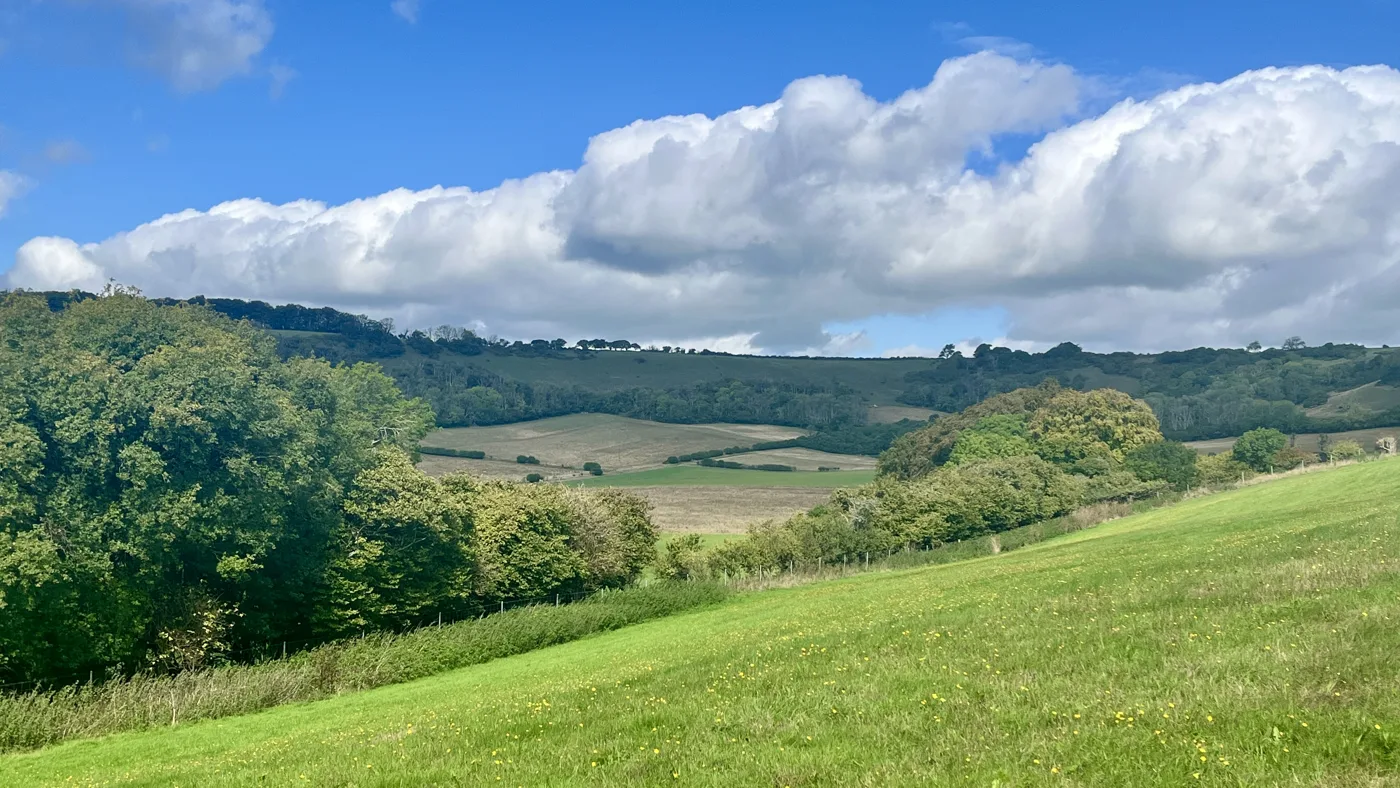
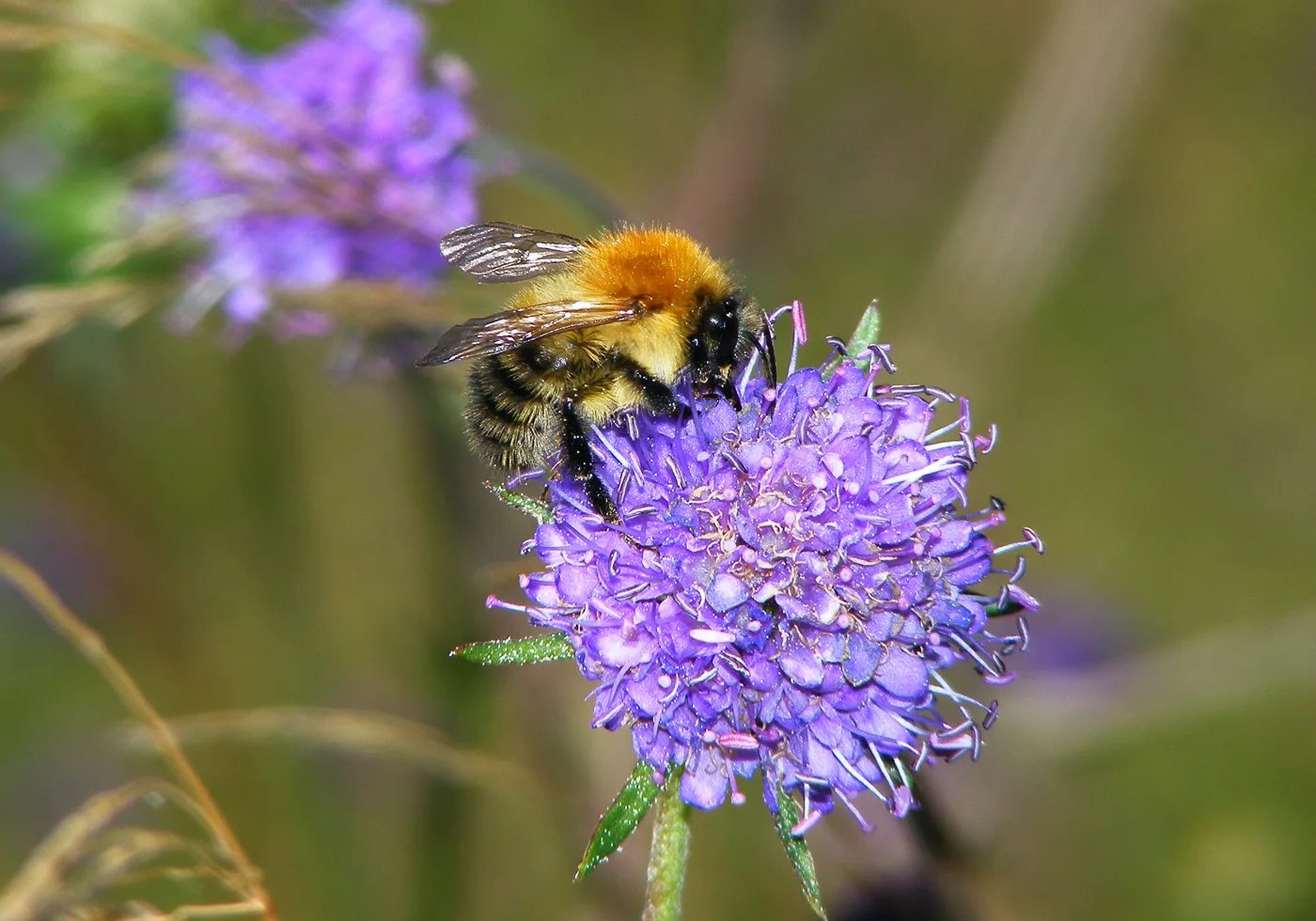
The other site the trust is drawing on is Lyscombe, 334 hectares it bought in 2024 and which is now a National Nature Reserve in the King’s Series. The trust describes it as chalk downland, ancient woodland and farmland, with around 50 hectares designated as a Site of Special Scientific Interest and bee and pyramidal orchids among its plants.
Where the money would go
The appeal page sets out four strands of work:
- Grazing for nature. Bringing traditional and rare-breed cattle, ponies and pigs onto reserves including West Holme, Sopley Common and newly acquired land at Kingcombe Meadows. That means water points, fencing, grazing plans and safe routes for visitors.
- Bringing water back. The trust says it is already doing this on new land at Tadnoll and Winfrith and at Lyscombe, and wants to extend it to other sites with hydrological surveys, scrapes and ponds, leaky dams and blocked drains.
- Natural regeneration. Letting trees, scrub and wildflowers establish on their own at Happy Bottom, Ashington Meadow, Peascombe and newly acquired land at Bracketts Coppice and Kingcombe, while removing invasive species and leaving deadwood in place.
- Working with landowners. Its Wilder Dorset team supports farm clusters and individual landowners, including helping them into the Landscape Recovery scheme. The trust says the team is already working to rewild land beyond Wild Woodbury itself.
The trust gives examples of what a gift could cover: £50 could pay for two protective guards for young black poplar or disease-resistant elm trees at Lyscombe; £100 could help install and maintain nearly 10 metres of fencing for grazing; £250 could help fund specialist monitoring to restore watercourses and create new wetland.
What it means for you
If you want to give, the Help Nature Take the Lead page on the trust’s own website takes donations of any amount, with Gift Aid. The trust says the summer’s extreme temperatures and droughts have shown “just how vital healthy, resilient habitats are”, and that the money will help it work “in more places, at greater scale and with greater urgency”.
The trust says most of its 42 reserves are open daily; its website lists them, with visitor and dog information. General enquiries go to the trust on 01305 264620.
Dorset Wildlife Trust, founded in 1961, is a registered charity (number 200222) with more than 28,000 members and 42 nature reserves.
Have your say